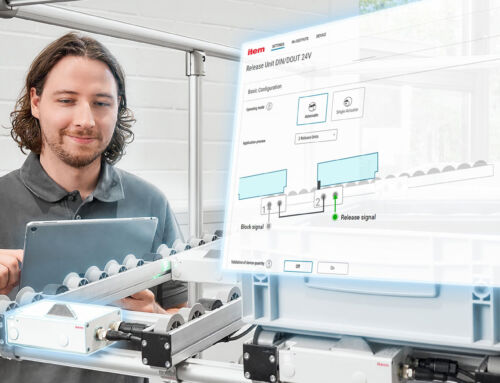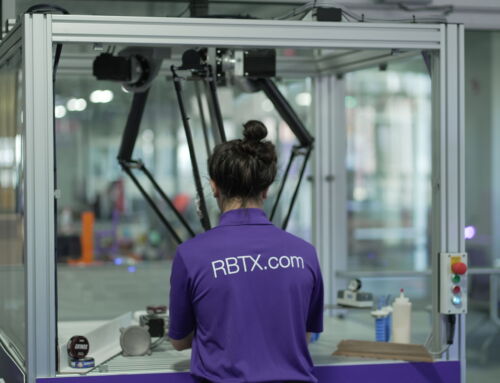
A flexible, future-ready warehouse doesn’t come from guessing what’s next. It comes from building systems that can adapt in real time. Discover how item America’s modular approach is helping operations rethink efficiency, ergonomics, and automation integration.
In a recent episode of The New Warehouse podcast, item Director of Sales Ben Hull joined host Kevin Lawton to explore a topic that’s rapidly reshaping modern warehouse operations: modular design. Representing item, Hull shared how item modular aluminum extrusion systems are empowering teams to build smarter, adaptable, and ergonomic warehouse environments.
At a time when supply chains face constant pressure to evolve, item America’s approach offers something every operation needs: the ability to change quickly without starting from scratch.
Why Modularity Matters More than Ever
Warehouses today are facing shifting order profiles, labor shortages, automation integration, and the need for continuous improvement. Traditional fixed infrastructure often becomes a bottleneck.
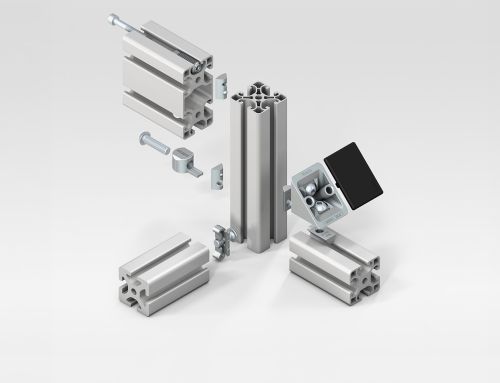
Hull explains that modularity solves this by giving teams the freedom to design, build and reinvent directly on the shop floor. Instead of waiting weeks for custom fabrication, operators can create exactly what they need – workstations, carts, flow racks, safety structures, and more – using item America’s aluminum extrusion system. The result is a warehouse that evolves as fast as the business does.
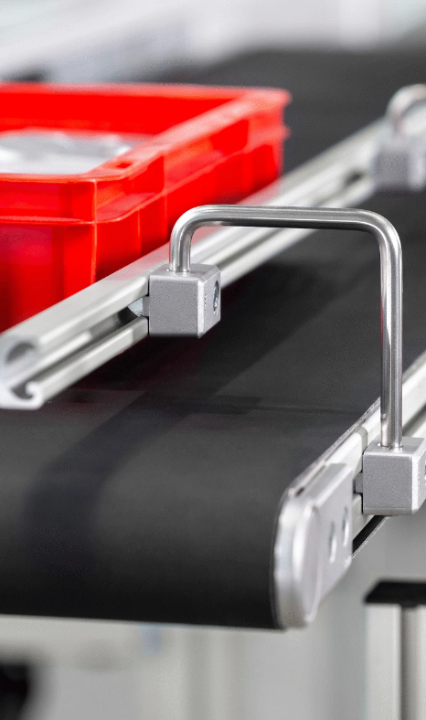
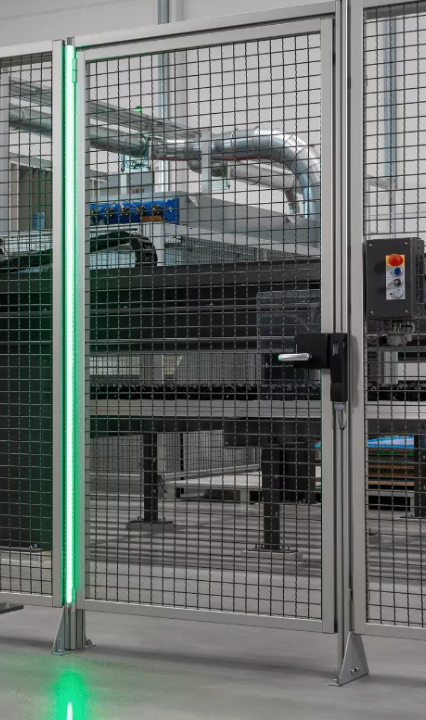
From Workbenches to AMR Carts: Designing for Real-World Needs
One standout theme from the conversation: how item America’s solutions support true customization.
Hull highlights several real-world applications:
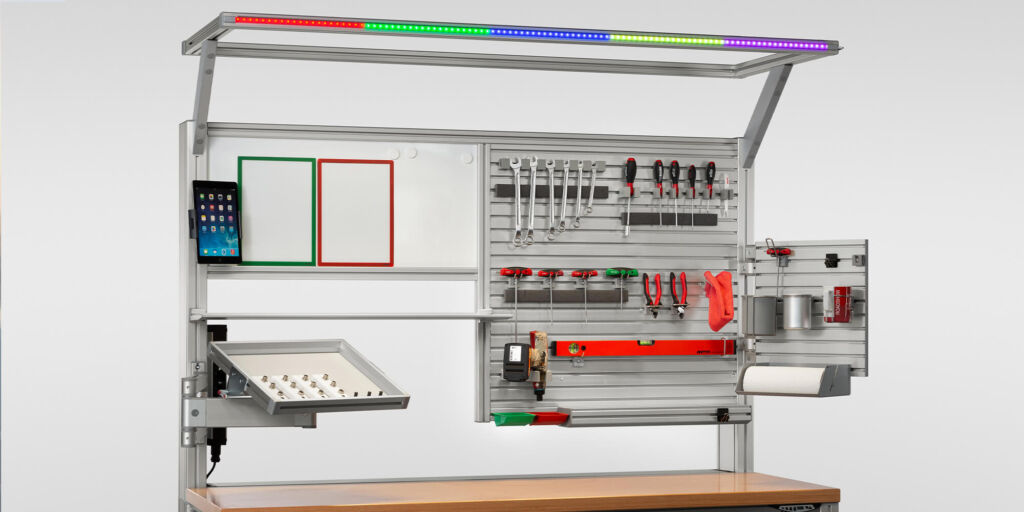
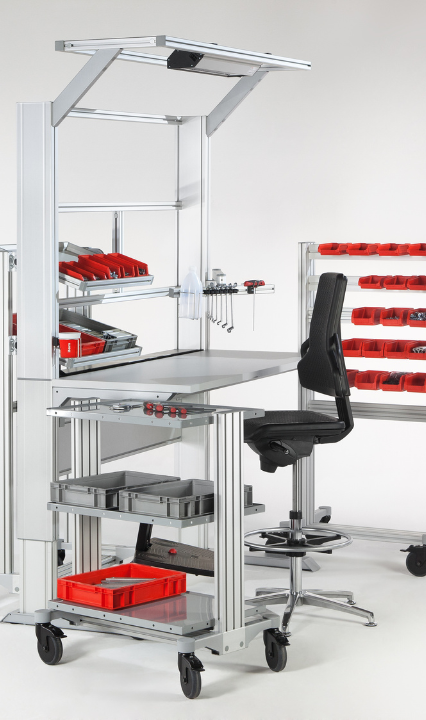
- Ergonomic workstations tailored to individual users
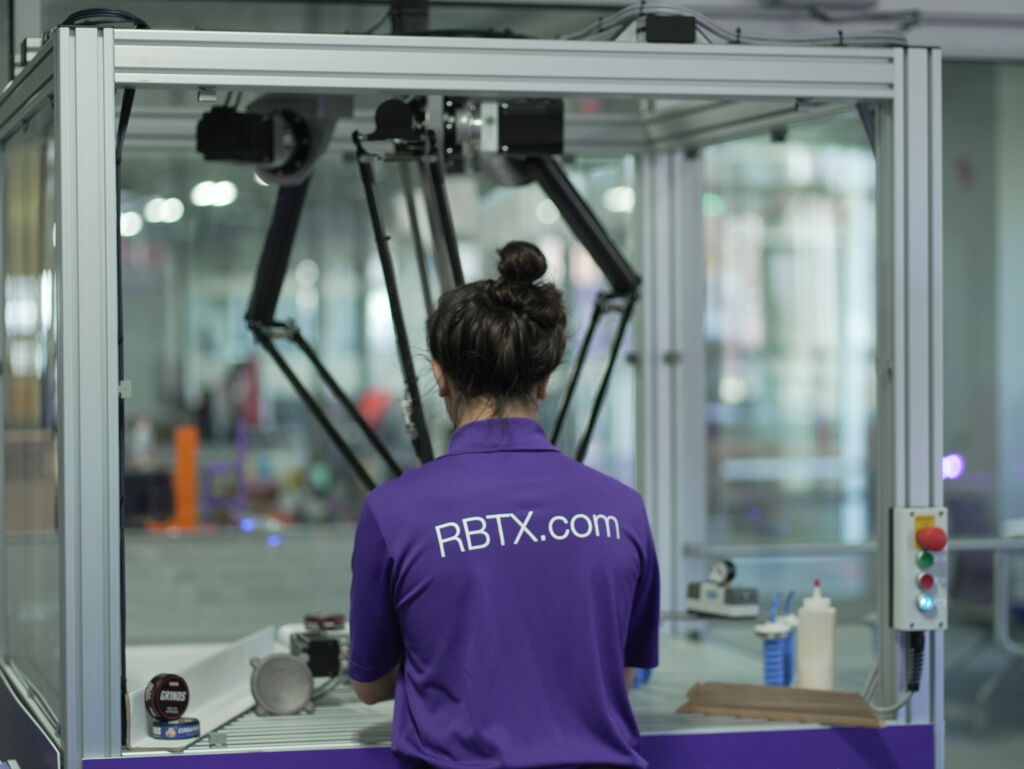
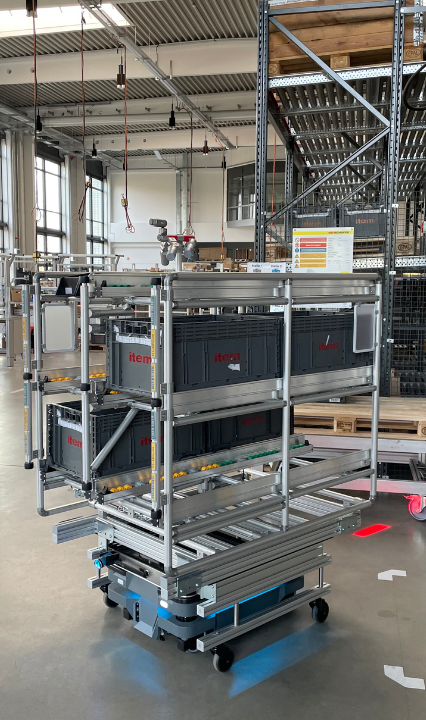
- AMR-compatible carts designed to integrate seamlessly with autonomous mobile robots
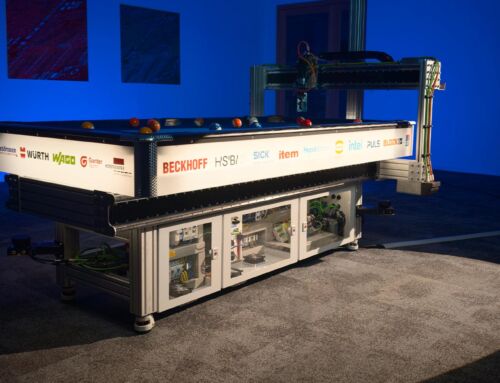
- Material flow structures that reduce waste and improve throughput
- Safety and guarding systems that can be reconfigured as layouts change
Because every component is part of a modular ecosystem, teams can adjust dimensions, add accessories, or completely repurpose structures without scrapping materials.
The flexibility is more than convenient. It’s a cost-saver.
Driving Continuous Improvement on the Warehouse Floor
A major takeaway from the podcast is how modular thinking supports lean principles and continuous improvement.
Instead of treating equipment as static, modular systems allow – and encourage – experimentation. Users can test new layouts, refine workflows, and eliminate inefficiencies with minimal disruption.
This mindset shift often leads to:
- Faster problem-solving
- Reduced downtime
- Improved ergonomics
- Higher employee engagement
When teams feel empowered to build, adjust, and improve solutions themselves, innovation accelerates.
The Future of Warehouse Design is Modular
As automation becomes more common and customer expectations continue to rise, warehouses must stay adaptable. Hull emphasized that item America’s mission is simple: help operations build exactly what they need, when they need it. Modular systems aren’t just a trend. These systems are becoming a foundational strategy for resilient, future-ready operations.
Whether it’s integrating AMRs and robotics, improving ergonomics, or scaling production, the item modular approach gives teams the tools to evolve with confidence.
Interested in hearing more? Watch the full podcast episode below.